
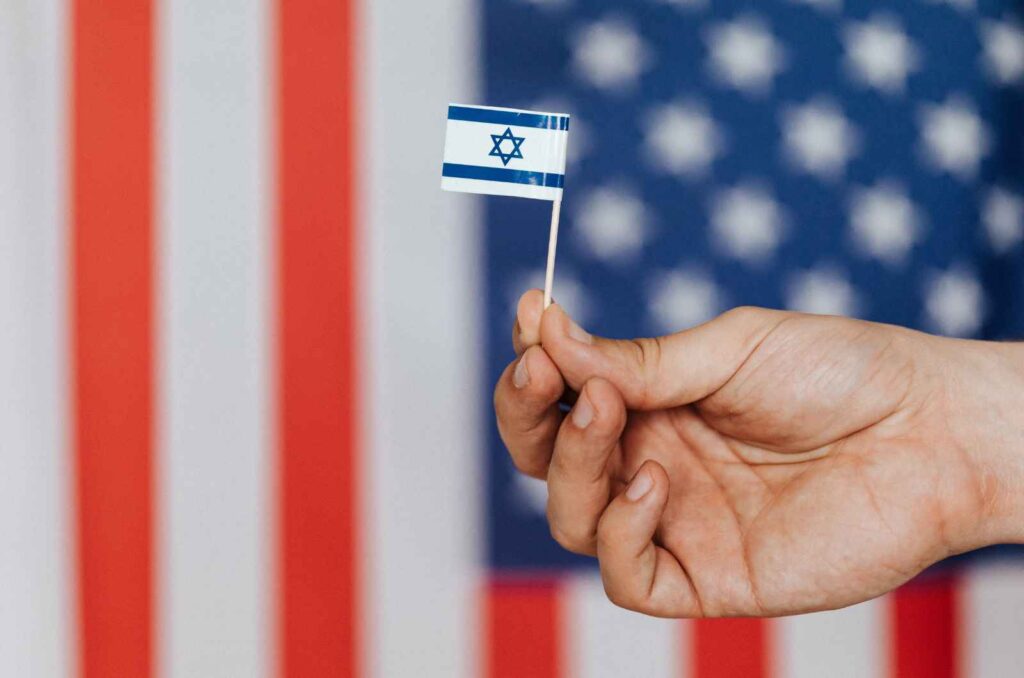
The journey of immigration represents one of humanity's most profound acts of courage. Those who choose to build new lives in Israel join a remarkable legacy of individuals who transformed personal challenges into extraordinary achievements. These success stories span every field imaginable, from groundbreaking technology ventures to contributions in medicine, arts, education, and community building. Understanding these narratives provides not only inspiration but also practical insights into what makes immigration to Israel uniquely conducive to personal and professional growth.
Immigration to Israel has accelerated dramatically in recent years despite global challenges. According to the Ministry of Aliyah and Integration, over 27,000 new immigrants arrived between 2024 and 2025, representing diverse backgrounds from Russia, the United States, France, Ukraine, and even countries like Afghanistan, South Korea, Kenya, and Zambia. These individuals brought with them 1,345 medical professionals, 3,236 engineers, and 297 artists and athletes, demonstrating the caliber of talent choosing to make Israel their home.
How Did Immigrants Build Israel's Technology Sector?
The foundation of Israel's reputation as the Startup Nation rests significantly on immigrant contributions. When examining Israel's extraordinary technological achievements, the immigrant story emerges as central to understanding this success. Nine out of ten Jewish Israelis today are immigrants or descendants of immigrants from the first or second generation, creating a unique demographic reality that fundamentally shapes the nation's entrepreneurial culture.
The arrival of one million Soviet immigrants during the 1990s transformed Israel's technological landscape. These individuals, many of whom were trained engineers and scientists, integrated their expertise with existing Israeli innovation to create what economist Shlomo Maoz called a rescue of Israel's economy. The combination of IDF veterans' technological know-how with the knowledge brought by Russian immigrants catalyzed the high-tech boom that continues today. The integration proved so successful that Israel now spends more on research and development as a proportion of its economy than any other nation, dedicating 4.25 percent of GDP according to OECD figures.
Immigrant entrepreneurs founded some of Israel's most successful technology companies. Better Place, the pioneering electric vehicle company, was established by an Iraqi immigrant who leveraged Israel's small geographic size to create an innovative battery infrastructure. An Iranian immigrant created Koolanoo, which became the third-largest social networking platform in China, representing the majority of 220 million online communities in that market. Ukrainian immigrants founded FoxyTunes, an internet music platform sold to Yahoo for tens of millions of dollars. These examples represent only a fraction of immigrant-founded companies that collectively contributed to Israel having more NASDAQ-listed companies than any European nation.
The pattern of immigrant success extends beyond founding companies. When Israelis immigrate abroad, particularly to the United States, they demonstrate among the highest rates of founding billion-dollar companies compared to other immigrant groups. This entrepreneurial success stems partly from what Israelis call chutzpah – the boldness and willingness to challenge conventions that characterize Israeli culture. Immigrants naturally embody this quality, having already demonstrated the courage to uproot their lives and start fresh in a new country.
?What Drives Immigrants to Succeed Against the Odds
The psychology of immigration itself creates conditions conducive to achievement. Immigrants arrive with little to lose and everything to gain, fostering a willingness to take calculated risks that settled populations might avoid. This mindset aligns perfectly with entrepreneurial thinking, where accepting failure as a learning opportunity rather than a permanent setback opens paths to innovation.
Recent immigrants demonstrate remarkable resilience in pursuing their dreams despite challenging circumstances. When 225 new immigrants arrived on the first Nefesh B'Nefesh charter flight following the October 7 attacks, they stepped off the plane with determination strengthened rather than weakened by Israel's security situation. Immigration inquiries surged by 80 percent immediately after those attacks, with the increase converting to actual arrivals as families completed their planning processes. These individuals represent doctors, engineers, educators, lawyers, and finance professionals choosing to contribute their skills to Israeli society precisely when their presence matters most.
David Tauber, one recent immigrant, captured the emotional reality of this decision: "I have so many emotions now. We're living a dream." This sentiment reflects a common thread among successful immigrants – the sense of purpose that comes from building something meaningful rather than simply maintaining existing comfort. The dream of contributing to Israel's growth provides motivation that transcends purely economic considerations.
The Israeli government recognizes the value immigrants bring and has created unprecedented support systems. New programs offer tax incentives, integration assistance, and in some cases substantial financial grants. Doctors willing to work in Israel's developing southern and northern regions can receive grants as high as 400,000 shekels. Scientists in certain fields qualify for grants exceeding one million shekels to establish laboratories under specialized programs. These incentives recognize that for every shekel invested in immigrant support, Israel's economy generates at least four shekels in return.
?Why Does Israel's Military Service Create Entrepreneurial Success
The Israel Defense Forces plays an unexpected but crucial role in immigrant integration and eventual success. While mandatory military service might seem like a barrier to professional development, it actually provides immigrants with unique advantages that accelerate their careers. Young immigrants serve alongside native Israelis in units that emphasize initiative, improvisation, and responsibility at remarkably young ages.
Elite technological units within the IDF, particularly Unit 8200 focused on cyber intelligence, have become legendary for producing successful entrepreneurs. These units expose soldiers to cutting-edge technology and complex problem-solving under pressure, skills directly transferable to startup environments. Veterans of these programs often establish their own companies or assume leadership positions in Israel's technology sector. The network effect proves equally valuable, as military connections create trust and collaboration opportunities that persist throughout careers.
Beyond technical skills, military service instills qualities essential for entrepreneurial success. Soldiers learn to function with minimal guidance from superiors, encouraged to improvise and break rules when necessary to accomplish missions. This organizational culture contrasts sharply with hierarchical corporate structures common elsewhere, preparing immigrants for Israel's famously flat organizational environments where good ideas matter more than seniority or credentials.
The culture of questioning authority and challenging conventional wisdom, sometimes uncomfortable for new immigrants accustomed to more formal business environments, ultimately proves liberating. Ideas flow freely across organizational levels, and junior employees regularly approach senior executives with proposals that would seem presumptuous in other contexts. This meritocracy of ideas, reinforced through military experience, allows talented immigrants to advance rapidly based on contributions rather than years of service.
?What Practical Steps Lead to Immigrant Success in Israel
Understanding the factors behind immigrant success provides actionable guidance for those contemplating similar journeys. The most successful immigrants approach their transition strategically, recognizing that integration requires more than simply relocating physically. Cultural adaptation, language acquisition, and professional credentialing represent immediate priorities that determine long-term outcomes.
Hebrew proficiency emerges consistently as a critical success factor. While many immigrants initially rely on English in professional contexts, particularly in technology sectors, Hebrew fluency opens doors that remain closed to non-speakers. Government programs provide subsidized intensive Hebrew courses called ulpan, which immigrants should prioritize even when professional opportunities seem available without language skills. The investment in language learning pays dividends throughout residency in Israel.
Professional licensing and credential recognition require careful navigation. The government has streamlined processes in recent years, recognizing that delays in professional authorization waste immigrant talent and discourage immigration. New reforms accelerate licensing procedures, but immigrants should begin this process before arrival whenever possible. Medical professionals, engineers, and licensed practitioners in regulated fields particularly benefit from early engagement with Israeli professional boards.
Employment strategies differ for immigrants depending on their fields and circumstances. Remote work for foreign employers offers significant advantages during initial integration periods, allowing immigrants to maintain income levels while learning Hebrew and understanding the local market. The ten-year tax exemption on foreign-sourced income makes this arrangement particularly attractive financially. However, immigrants should eventually transition to Israeli employment or entrepreneurship to fully integrate into professional networks that drive career advancement.
Networking proves essential in Israel's relationship-driven business culture. Professional associations, immigrant support groups, and industry meetups provide entry points into communities where opportunities circulate informally before appearing in public job listings. The interconnected nature of Israeli society means that personal introductions carry exceptional weight, making relationship building a priority rather than an optional activity.
?How Do Successful Immigrants Balance Dreams with Reality
The stories of successful immigrants reveal a consistent pattern of balancing idealism with pragmatism. Those who thrive approach immigration with open eyes, understanding challenges while maintaining focus on long-term objectives. Financial preparation proves crucial, with successful immigrants maintaining emergency funds covering at least six to twelve months of expenses to weather adjustment periods without panic.
Geographic flexibility within Israel creates opportunities that rigid location preferences might preclude. While Tel Aviv attracts outsized attention due to its cosmopolitan atmosphere and technology concentration, other cities offer genuine advantages. Haifa, Beersheba, and developing communities in the Negev and Galilee provide lower living costs, available housing, and government incentives for settlement in priority development areas. Immigrants willing to consider these locations often achieve home ownership and professional success faster than peers competing in overcrowded central markets.
The importance of community support cannot be overstated. Successful immigrants surround themselves with both veteran immigrants who understand their journey and native Israelis who can guide navigation of unfamiliar systems. Organizations facilitating immigrant integration have achieved remarkable results, with retention rates exceeding 90 percent compared to historical retention rates of only 50 percent. This dramatic improvement demonstrates the value of structured support during vulnerable early periods.
Immigrants must also prepare emotionally for the reality that success rarely arrives instantly. Even highly skilled professionals typically experience an adjustment period of three to six months before securing appropriate employment. Language barriers, unfamiliar business practices, and credential recognition processes all contribute to delays that can frustrate expectations. Those who arrive with realistic timelines and adequate financial reserves navigate this period more successfully than those expecting immediate results.
The decision to immigrate to Israel represents a bet on personal potential as much as geographic relocation. The country's remarkable track record of immigrant integration and success stems from deliberate policies and cultural attributes that value newcomers' contributions. From Soviet engineers who transformed the technology sector to doctors, educators, and entrepreneurs arriving today from dozens of nations, immigrants consistently prove that fresh starts can yield extraordinary outcomes. Their stories provide both inspiration and practical roadmaps for those contemplating similar journeys, demonstrating that with preparation, resilience, and community support, the dream of building a meaningful life in Israel remains very much achievable.
click here for more info: belong